Login Registrar-se
ory9uzmnmwtapgvso2ba

World Cup Matches FIFA & Qualifiers Schedule

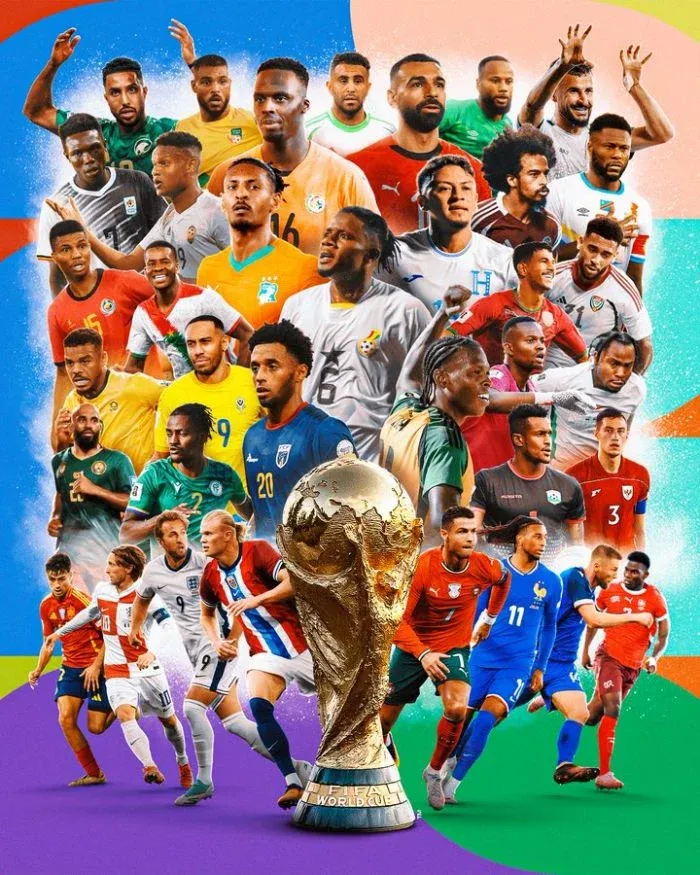
World Cup matches represent the pinnacle of international football, bringing together the best national teams from around the world. Fans follow every stage of the competition, from World Cup qualifiers matches to the highly anticipated FIFA World Cup matches. Qualifying rounds play a crucial role, with World Cup qualifiers Europe matches often featuring intense rivalries and decisive moments.
As the tournament approaches, interest in schedules, fixtures, and match results continues to grow. Tracking World Cup matches helps supporters stay informed about team progress, qualification outcomes, and key fixtures. Whether following early qualification rounds or the main FIFA World Cup matches, staying up to date ensures fans don’t miss any important action in the global football calendar.

World Cup Qualifiers Europe Matches

World Cup qualifiers in Europe are known for their high intensity, quality football, and unpredictable results. With many of the world’s strongest national teams competing for a limited number of qualification spots, European qualifying matches often feel as competitive as the tournament itself.
European qualifiers usually feature a mix of traditional powerhouses such as France, England, Germany, Spain, and Italy, alongside emerging nations looking to make their mark on the global stage. Matches are played home and away, creating challenging environments where tactics, squad depth, and consistency play a crucial role over the campaign.

下载 web

The qualification format rewards teams that can perform well across multiple matchdays, not just in one-off games. This places strong emphasis on disciplined defending, efficient attacking play, and effective squad rotation. Smaller nations often raise their level at home, leading to surprise results that can dramatically change group standings.
For fans, European World Cup qualifiers offer regular, meaningful international football and intense rivalries. Each match carries significant pressure, as dropped points can quickly impact qualification hopes.
Overall, World Cup qualifiers in Europe showcase the depth and competitiveness of the region, delivering exciting football and setting the stage for some of the world’s best teams to compete at the finals.

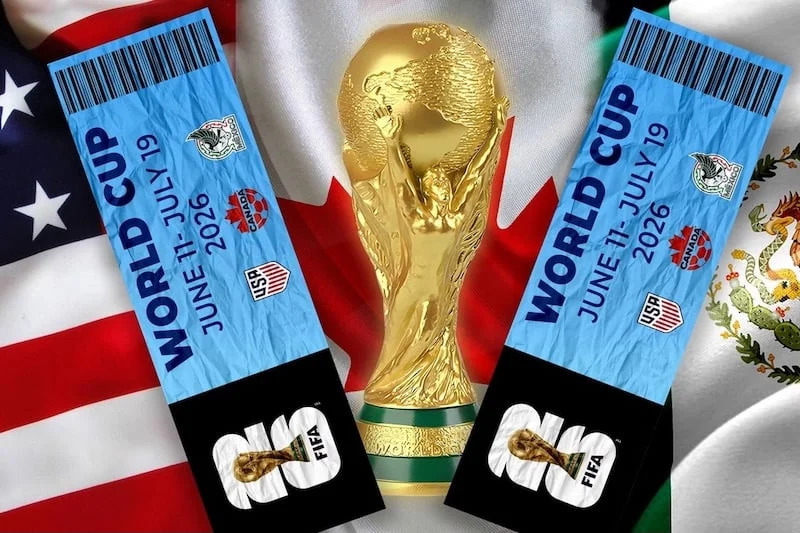
tickets 2026 fifa world cup

Current Australian national team players

No. Position Player Date of Birth (Age) Caps Goals Club
1 GK Mathew Ryan (Mathew Ryan) 8 Apr 1992 (33) 86 0 AZ
12 GK Joe Gauci (Joe Gauci) 4 Jul 2000 (25) 1 0 Adelaide United
18 GK Ashley Maynard-Brewer (Ashley Maynard-Brewer) 25 Jun 1999 (26) 0 0 Charlton Athletic
2 DF Ryan Strain (Ryan Strain) 2 Apr 1997 (28) 5 0 St Mirren
3 DF Cameron Burgess (Cameron Burgess) 20 Oct 1995 (30) 3 0 Ipswich Town
4 DF Kye Rowles (Kye Rowles) 24 Jun 1998 (27) 13 0 Heart of Midlothian
5 DF Jordan Bos (Jordan Bos) 29 Oct 2002 (23) 6 0 Westerlo
13 DF Alessandro Circati (Alessandro Circati) 10 Oct 2003 (22) 1 0 Parma
16 DF Aziz Behich (Aziz Behich) 16 Dec 1990 (35) 63 2 Melbourne City
19 DF Harry Souttar (Harry Souttar) 22 Oct 1998 (27) 21 10 Leicester City
20 DF Lewis Miller (Lewis Miller) 7 Feb 1999 (26) 4 0 Hibernian
8 MF Connor Metcalfe (Connor Metcalfe) 5 Nov 1999 (26) 13 0 FC St. Pauli
14 MF Aiden O’Neill (Aiden O’Neill) 4 Jul 1998 (27) 7 0 Standard Liège
17 MF Keanu Baccus (Keanu Baccus) 7 Jun 1998 (27) 12 0 St Mirren
21 MF Massimo Luongo (Massimo Luongo) 25 Sep 1992 (33) 45 6 Ipswich Town
22 MF Jackson Irvine (Jackson Irvine) 7 Mar 1993 (32) 60 9 FC St. Pauli
6 FW Martin Boyle (Martin Boyle) 25 Apr 1993 (32) 30 6 Hibernian
7 FW Samuel Silvera (Samuel Silvera) 25 Oct 2000 (25) 2 0 Middlesbrough
10 FW Kusini Yengi (Kusini Yengi) 15 Jan 1999 (27) 1 0 Portsmouth
9 FW Jamie Maclaren (Jamie Maclaren) 29 Jul 1993 (32) 32 11 Mohun Bagan SG
11 FW Brandon Borrello (Brandon Borrello) 25 Jul 1995 (30) 11 2 Western Sydney Wanderers
15 FW Mitchell Duke (Mitchell Duke) 18 Jan 1991 (34) 32 11 Machida Zelvia
23 FW Craig Goodwin (Craig Goodwin) 16 Dec 1991 (34) 20 2 Al Wehda

world cup matches 2026 Results

Latest World Cup matchs news

img 9641929ff836cc74a83217eaef56d0c469bMN c web

There is football, and then there are World Cup matches. On the surface, the rules…

img 967335ebe4308216502c0c003dcb2ca2e2NwC c web

At first glance, World Cup matches look like football at its highest technical level. The…

worldcu pmatches.com

World Cup matches occupy a space in football that no other competition can reach. They…

FIFA World Cup Match Rules

FIFA World Cup matches are played under standard Laws of the Game set by FIFA to ensure fairness and consistency. Each match consists of two 45-minute halves, with a 15-minute half-time break. Added time may be played at the end of each half to compensate for stoppages.
Each team fields 11 players, including one goalkeeper. Substitutions are limited, with teams allowed a set number per match, including additional changes during extra time. Players who receive a red card are sent off and cannot be replaced.
In knockout matches, if scores are level after 90 minutes, extra time is played, followed by a penalty shoot-out if needed. The VAR system may be used to assist referees in key decisions.

ovq8sd6bubmelbhvlg6h web

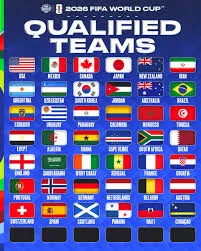
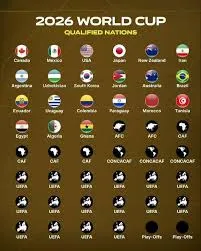
The Number of Participating Teams in This World Cup Has Been Expanded from 32 to 48

161727 web

Grouping Details:

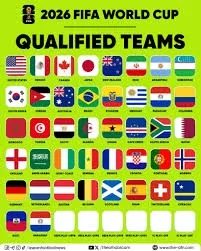
Group A: Mexico, South Korea, South Africa, teams advancing from European Play-off Group D
Group B: Canada, Switzerland, Qatar, teams advancing from European Play-off Group A
Group C: Brazil, Morocco, Scotland, Haiti
Group D: USA, Australia, Paraguay, teams advancing from European Play-off Group C
Group E: Germany, Ecuador, Ivory Coast, Curaçao
Group F: Netherlands, Japan, Tunisia, teams advancing from European Play-off Group B
Group G: Belgium, Iran, Egypt, New Zealand
Group H: Spain, Uruguay, Saudi Arabia, Cape Verde
Group I: France, Senegal, Norway, teams advancing from Intercontinental Play-off Group 2
Group J: Argentina, Austria, Algeria, Jordan
Group K: Portugal, Colombia, Uzbekistan, teams advancing from Intercontinental Play-off Group 1
Group L: England, Croatia, Panama, Ghana

The upcoming FIFA World Cup marks a major change in the tournament’s history, with the number of participating teams expanded from 32 to 48. This new format is designed to increase global representation and give more nations the opportunity to compete on football’s biggest stage.
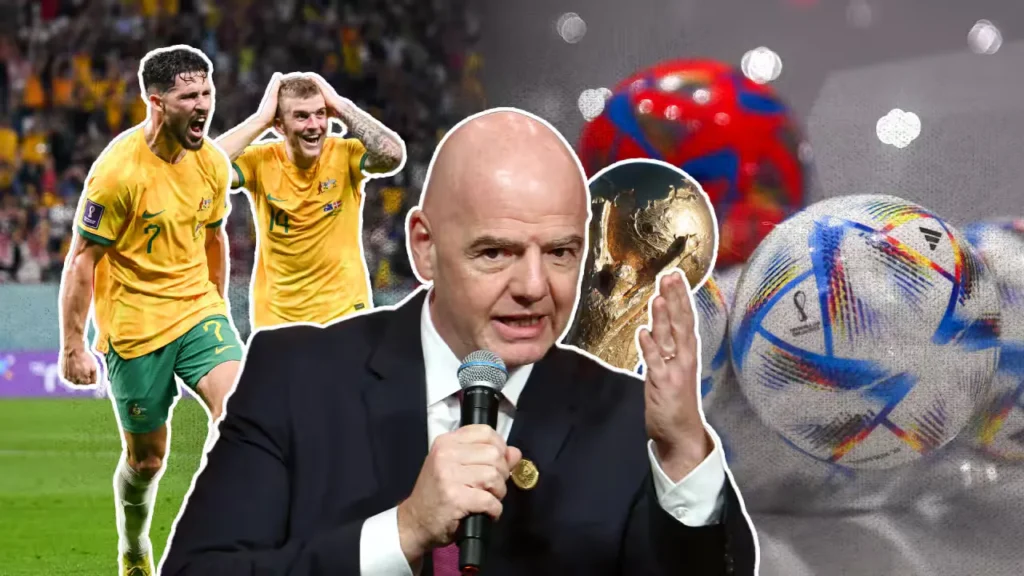
With 48 teams involved, more countries from Africa, Asia, and the Americas will qualify, helping to grow the game in developing football regions. For nations like Australia, the expanded field provides a greater chance to qualify consistently while still facing a high level of international competition.
The larger tournament also means more matches and more excitement for fans. Supporters will enjoy a wider variety of playing styles, cultures, and emerging talent, making the group stage especially diverse and unpredictable. However, the change has sparked debate, with some critics concerned about uneven group strength and player workload.
Despite these concerns, FIFA believes the expansion will strengthen the World Cup’s global appeal and commercial reach. The challenge will be maintaining competitive balance while delivering entertaining football.

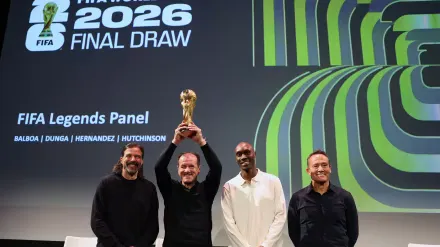
The Draw for the 2026 World Cup Matches Is Out

59bd4690 6042 11f0 b5c5 012c5796682d web

Mbappé Will Face Haaland in the Group Stage, While Messi and Ronaldo May Face Off in the Quarter-finals

The draw for the 2026 FIFA World Cup has delivered some mouth-watering storylines, with superstar clashes already capturing global attention. One of the standout highlights is the prospect of Kylian Mbappé facing Erling Haaland in the group stage, a matchup that pits two of football’s most explosive modern forwards against each other early in the tournament.
Mbappé’s pace, creativity, and big-game experience contrast sharply with Haaland’s power, positioning, and ruthless finishing. Their meeting promises to be one of the most anticipated group-stage fixtures, drawing huge interest from fans and media worldwide.
Even further intrigue lies deeper in the knockout rounds, where Lionel Messi and Cristiano Ronaldo could potentially meet in the quarter-finals. While both legends are in the later stages of their international careers, the possibility of another head-to-head on the world’s biggest stage has reignited excitement among supporters. Such a clash would be historic, adding another chapter to one of football’s greatest rivalries.
The 2026 tournament’s expanded format has helped create these blockbuster possibilities, offering more cross-regional encounters and dramatic pathways through the draw. While nothing is guaranteed in football, the early matchups alone suggest a World Cup rich in narrative, star power, and unforgettable moments — exactly what fans around the world, including in Australia, will be hoping for when kick-off arrives.

FAQ

Scroll to Top